New 2026 US Border Rules: Clear, Practical Guide for Non‑US Citizens (With Handy Tips for Indian & Global Travelers)
What Has Changed at US Borders
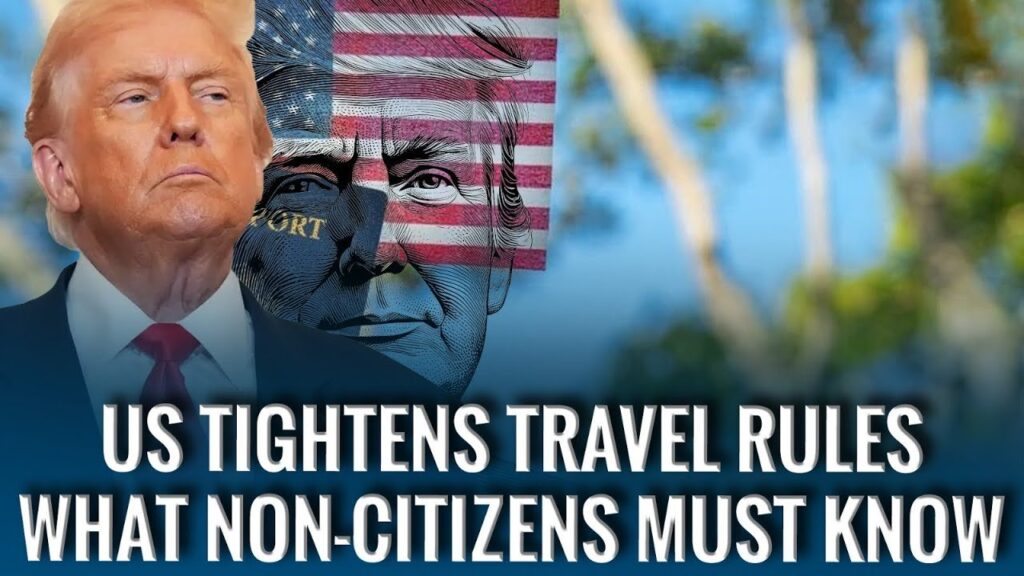
The United States has tightened border control from late December 2025, with new rules that impact almost every non‑US citizen, including tourists, students, workers and even many Green Card holders. These measures focus heavily on biometric checks, stricter vetting and new nationality‑based entry bans that start from January 2026.
For travelers planning trips in 2026, the key message is simple: expect more checks, more questions and almost no exemptions, and plan your documentation and timing more carefully than before.
Mandatory Biometrics for All Non‑Citizens
Under the new rules, facial biometrics are now compulsory at entry and exit points for all non‑US citizens, regardless of age or visa type. This includes airports, land borders, seaports, private aircraft, vehicle crossings and pedestrian routes, making the system far more comprehensive than earlier pilot programs.
Previous age‑based and nationality‑based exemptions are largely gone: children under 14, adults over 79, diplomats and most Canadian visitors now also undergo biometric checks as part of routine processing. Depending on the location and risk assessment, authorities may also verify fingerprints and other biometric data against security databases during inspection.
New Travel Bans & High‑Risk Country List
From January 1, 2026, the US has implemented full entry bans on nationals from 12 countries, including Afghanistan, Iran, Somalia and Yemen, with additional partial restrictions on travelers from seven countries such as Cuba, Venezuela, Burundi, Togo and Turkmenistan. These measures sit on top of wider security policies that collectively cover 19 countries flagged for concerns about documentation reliability, information‑sharing and internal security.
For affected nationals, the impact can include denial of new visas, refusal of boarding, or refusal of entry at the border, even if they previously visited the US without issues. Green Card holders from some of these countries may face tougher reviews of their past and future travel, with authorities tracking international movement patterns more closely.
Tougher Questioning, Social Media & Screening
Travelers should be prepared for more detailed border questioning about purpose of visit, itinerary, accommodation, employment and prior travel history. Officers have broader discretion to send passengers to secondary inspection, review supporting documents and scrutinise consistency between visa applications, bookings and social media presence.
For many work and study categories, especially H‑1B, H‑4 and certain student and exchange programs, consular officers are expanding checks on applicants’ online footprint and may require public social media profiles for review. In some cases, interviews may be postponed or extended if officers feel they need more time to review digital activity, security hits or past immigration records.
What Non‑Citizens Should Do Before Traveling
To travel confidently under these updated rules, non‑US citizens should treat documentation and preparation as non‑negotiable. Practical steps include:
Carrying a valid passport, visa, return/onward ticket, hotel confirmations and proof of funds neatly organised in both digital and physical form.
Ensuring that DS‑160 or other visa application details match actual travel plans and that any changes are clearly explainable at the border.
Reviewing social media for content that could be misunderstood, and being ready to answer questions about work, study, contacts and travel history if asked.
Allowing extra time at airports for biometric capture and possible secondary inspection, especially when connecting flights are tight.
For travelers from countries impacted by bans or enhanced review, early professional advice is crucial to understand eligibility, waivers (if any) and realistic options.
How Beyond Travels Can Help You Navigate These Rules
Beyond Travels can act as a reliable guide for Indian and international travelers trying to understand what these new US rules mean for their specific case. The team can:
Assess your basic eligibility and flag potential issues early based on nationality, travel history and visa type, so you do not waste time on weak applications.
Help you structure documentation, itineraries and cover explanations in a way that aligns with current US consular and border expectations.
Keep you informed about evolving entry bans, biometric practices and interview trends, and suggest alternate routes or destinations when the US is temporarily not viable.
Travel rules now change faster than most people can track, which is why working with a detail‑oriented agency like Beyond Travels can make the difference between a smooth entry and an unexpected refusal.
Join the Travel Community Today!
Stay in the loop with our latest updates at https://beyondtravels.co.in/travel-updates/ and discover new ways to enhance your support for clients throughout their travel journey.