Planning Asia in 2026? Key New Travel & Entry Rules for Japan, Singapore & South Korea: What Indian Travelers Must Know
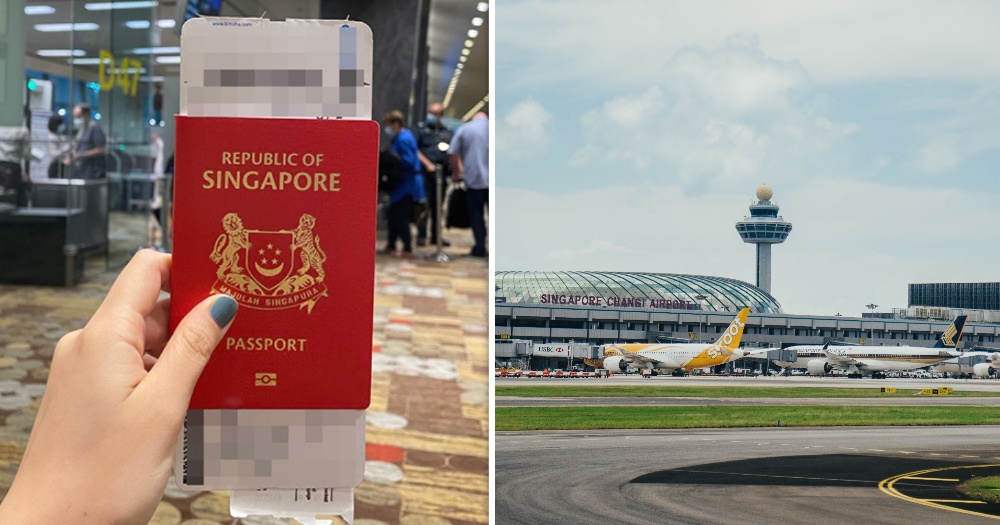
Overview: What changed in 2026
Asian favorites like Japan, Singapore and South Korea remain very welcoming to tourists, but they are tightening how people enter, shop and exit their countries.
For Indian and global travelers, this means:
More emphasis on correct documentation before boarding.
Higher taxes or fees in some places, especially Japan.
Stricter security and data checks at borders and even before departure.
Beyond Travels already manages visas, flights, hotels and insurance for these routes, so these changes can be handled smoothly if planned correctly.
Japan: New tax rules & tighter controls
Japan is refining how tourists spend and depart, with a strong push for better compliance and crowd management.
Key changes to note:
Tax‑free shopping becomes “pay now, claim later”
From late 2026, many foreign visitors will pay the standard consumption tax at the time of purchase instead of getting instant tax‑free prices in stores.
Refunds will be processed at dedicated counters in airports or departure points, so travelers should keep bills, passports and eligible items handy in their hand baggage.
Departure tax goes up
Japan’s departure tax, which is already embedded in most air tickets, is scheduled to increase from 1,000 yen to 3,000 yen per person for departures from mid‑2026.
You will not pay this separately at the airport, but overall ticket prices are likely to feel slightly higher as a result.
Stronger border checks & data scrutiny
Authorities are tightening documentation checks and monitoring of foreign visitors, with more focus on travel purpose, stay details and previous travel history.
Digital systems similar to pre‑clearance or “online screening” tools are being discussed for future years, so complete and accurate information will become even more important.
How Beyond Travels can help:
Guide you on valid visa category, documentation and typical questions officers ask.
Plan your shopping and airport timelines so you have enough time to process tax refunds before departure.
Singapore: No‑Boarding Directive & pre‑flight checks
Singapore is focusing heavily on stopping ineligible travelers before they even board their flight.
What is changing:
No‑Boarding Directive (NBD)
From January 30, 2026, Singapore’s immigration authorities can issue a “no‑boarding” instruction to airlines if a passenger does not meet entry requirements.
This can apply if a traveler has an invalid or damaged passport, missing or incorrect visa, or does not qualify for visa‑free entry.
Stricter airline‑side checks
Airlines are expected to perform more thorough document verification at check‑in and boarding gates.
A last‑minute mistake like a near‑expiry passport or wrong visa type can now mean denied boarding, even before leaving India.
Practical implications for Indian travelers:
Small documentation errors can now result in losing the flight instead of just facing questions at Singapore immigration.
Travelers using Singapore as a transit hub must be extra careful about transit visa rules and airline‑specific policies.
How Beyond Travels supports you:
Pre‑checks of your passport validity, visa status and transit requirements before ticketing.
Coordinating with airlines and advising on suitable routings if rules change close to departure.
South Korea: Tighter entry scrutiny & tourism management
South Korea continues to promote tourism but is aligning its border processes with the stricter stance seen in Japan and Singapore.
Key directions for 2026:
Enhanced documentation scrutiny
Immigration officers are focusing more closely on documents, travel purpose and accommodation details, particularly for short‑term visitors.
Digital visitor monitoring systems are being upgraded, which can flag inconsistencies or repeat non‑compliance.
Tourism & infrastructure management
Policies are being shaped to manage overtourism in popular districts and protect local infrastructure.
This may result in stricter rules around group tours, crowd control and permitted activities in certain areas over time.
Visa & waiver environment
South Korea is continuing to use visa‑free and electronic authorization tools for select nationalities, while simultaneously keeping the right to tighten conditions if misuse is detected.
How Beyond Travels adds value:
Clarifies when a standard tourist visa is safer than relying on any temporary waiver or electronic authorization.
Aligns your flights, hotels and day‑wise itinerary with current entry rules, so you have a smooth arrival at Korean airports.
How to prepare as a 2026 traveler
With rules evolving, careful planning with a professional agency becomes critical for stress‑free travel.
Recommended steps before you book:
Share your full travel plan (countries, dates, purpose, work status) so documentation can be matched to the correct visa type.
Check passport validity, blank pages and name consistency with tickets and visas.
Understand all costs clearly, including new taxes, potential departure fees and insurance add‑ons.
What Beyond Travels can handle for you:
Visa guidance and file preparation for Japan, Singapore and South Korea, from Thane, Mumbai, Navi Mumbai and clients based overseas.
End‑to‑end travel planning: flights, hotels, tours and insurance aligned to the latest rules in 2026.
Ongoing updates if regulations tighten or relax closer to your departure date, so your trip stays compliant and comfortable
Join the Travel Community Today!
Stay in the loop with our latest updates at https://beyondtravels.co.in/travel-updates/ and discover new ways to enhance your support for clients throughout their travel journey.