SSSS on a Boarding Pass: What It Is, Why It Happens, and How to Handle It
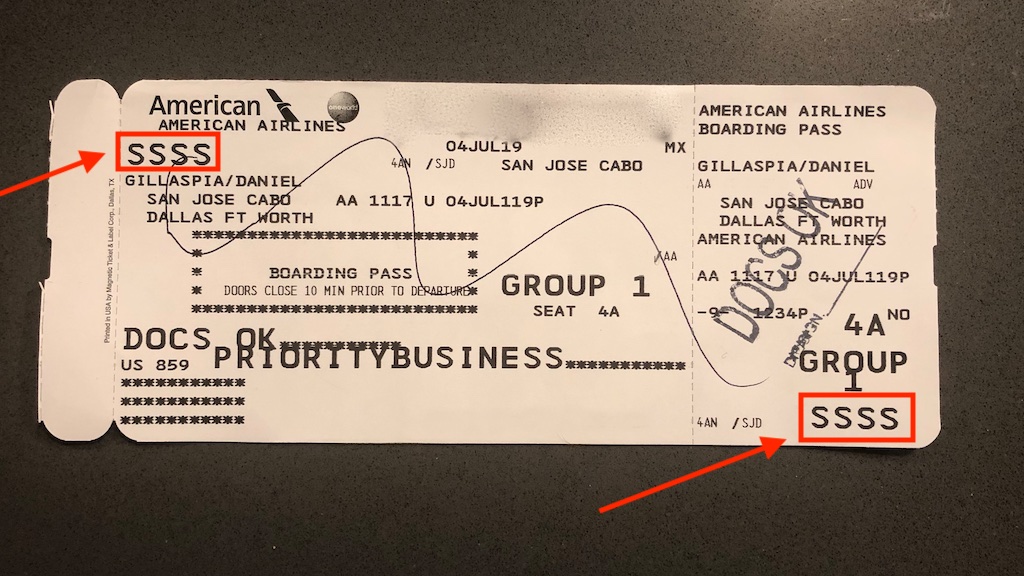
If the boarding pass shows the letters SSSS, it signals an extra layer of airport security screening known as Secondary Security Screening Selection, most commonly used on flights to, from, or within the United States. While it can slow down the airport journey, understanding how it works—and how to reduce the odds—can make travel smoother.
What SSSS Means
SSSS stands for Secondary Security Screening Selection and is a prompt for enhanced checks at the airport before boarding.
The designation typically appears on boarding passes issued for U.S.-bound or U.S.-origin flights, and it can apply to both domestic and international itineraries involving the U.S.
The marker is a signal to security officers to conduct additional measures like manual bag searches, explosive trace swabs, and extended pat-downs.
What To Expect If You’re Selected
Expect extra screening that can include one or more of the following: hand inspection of carry-ons, pat-downs, explosive residue swabs, and metal detector or wand checks.
The process can add time—often about 15–45 minutes depending on airport flow and the depth of inspection.
Signs you might be selected include being unable to check in online, kiosk prompts to see an agent, or the SSSS printed on the boarding pass itself.
Why Travelers Get SSSS
TSA’s Secure Flight system uses risk-based screening that can select passengers for enhanced checks; selection can be random and is not necessarily a judgment of risk.
Factors that may correlate with getting SSSS include one-way international tickets, last‑minute bookings, certain routes or destinations, and unusual travel patterns, along with purely random assignment.
Some travelers report recurring SSSS due to name similarities with watchlisted individuals; DHS TRIP redress can help resolve this.
How To Reduce the Chances of SSSS
Book round-trip tickets when possible and avoid last-minute cash purchases to minimize risk triggers often associated with additional screening.
Enroll in trusted traveler programs (e.g., TSA PreCheck, Global Entry) to streamline security; while not a guarantee against SSSS, they can reduce friction for many travelers.
Apply for a DHS TRIP Redress Control Number if SSSS appears frequently, especially when there may be a name match issue; include the redress number when booking so Secure Flight can review the profile in advance.
Arrive earlier than usual if SSSS appears, to absorb the additional 15–45 minutes often required.
What Happens During the Screening
Officers may ask to unpack electronics and accessories for swabbing and inspection, conduct a detailed hand search of carry-on items, and perform an enhanced pat-down if needed.
Security teams may use explosive trace detection on both belongings and surfaces like laptop keyboards or bag interiors to check for residues.
Key Takeaways for Travelers from India (and beyond)
SSSS most commonly impacts flights connected to the U.S., including transits; plan buffer time at departure gates where SSSS screenings often occur just before boarding.
Keep identification details consistent across passport and bookings (full name, date of birth, gender) to help Secure Flight’s matching process operate smoothly.
If traveling frequently on complex, multi-airline itineraries or one-way award tickets, consider adding extra time and using a redress number if SSSS recurs.
How Beyond Travels Can Help
Itinerary design to reduce common SSSS triggers such as avoidable one-way setups when round-trip pricing or award space allows.
Advisory on trusted traveler programs and pre-travel documentation, including guidance on the DHS TRIP redress process for repeat occurrences.
Proactive check-in support, alerts, and gate-time planning to ensure comfortable buffers when SSSS is present on a boarding pass.
Understanding SSSS removes the mystery and stress: it’s a predefined, procedural step aimed at security, not necessarily a reflection on the traveler, and with the right planning it rarely derails a trip.